

With the booming development of the low altitude economy, unmanned aerial vehicles (UAVs) are increasingly used in logistics, inspection, emergency rescue and other fields. As the core power source of UAVs, the safety of lithium ion batteries is not only related to the endurance of equipment, but also the lifeline of low altitude flight. Among them, Thermal Runaway (TR) is the core challenge in battery safety.
Based on a number of cutting edge domestic research findings in China, this article provides an in depth analysis of the internal mechanisms of UAV battery thermal runaway and the latest protection strategies.
1. Tracing the Origin: Sequential Evolution Mechanism of Thermal Runaway
According to the research by the team of Academician Ouyang Minggao of Tsinghua University, thermal runaway of lithium ion batteries is not an instantaneous event, but a complex physicochemical chain reaction process, which can be accurately analyzed through the Thermal Runaway Sequence Diagram proposed by his team.
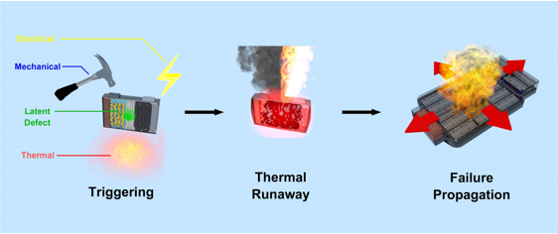
Fig. 1. Schematic of thermal runaway failure process of lithium ion battery system
- Initiation Stage (T1): Due to electro mechano thermal abuse, the SEI film on the graphite anode surface inside the battery begins to decompose, and the battery reaches the initial self heating temperature T1.
- Trigger Stage (T2): When the temperature rises to the critical point T2, the temperature rise rate changes from slow to sharp surge (by several orders of magnitude). Triggers include severe internal short circuit caused by separator collapse, active oxygen release from the cathode, or lithium plating on the anode.
- Peak Temperature Stage (T3): Violent redox reactions occur inside the battery, releasing a large amount of gas and reaching the maximum temperature T3. If the temperature exceeds the melting point of the aluminum current collector (660°C), internal materials will be ejected with spurt, forming black smoke or sparks.
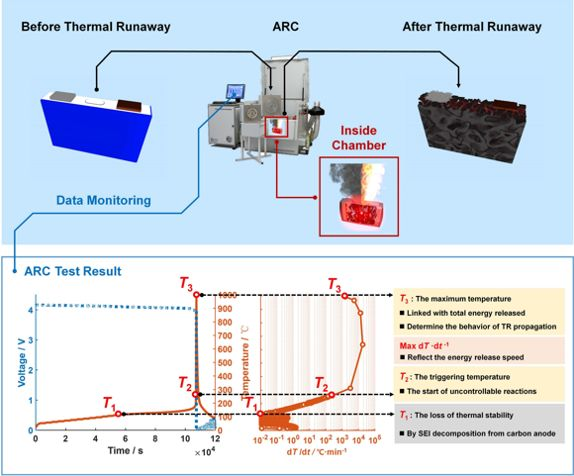
Fig. 2. Common characteristics of lithium ion battery thermal runaway
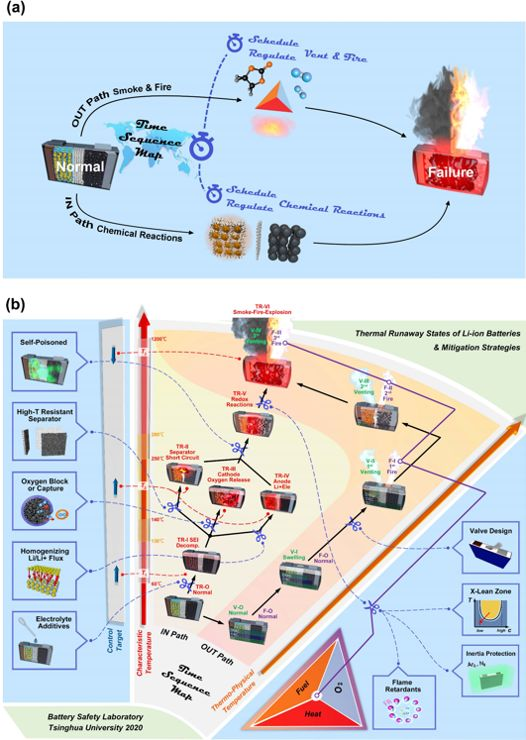
Fig. 3. Thermal runaway states of Li ion batteries and related mitigation strategies
Conclusion: The goal of single cell protection is to increase T1 and T2, and reduce T3 and the maximum temperature rise rate.
2. Environmental Challenges: Battery Behavior at Extreme Altitudes
UAVs often cruise at high altitudes. Research by Shanghai Jiao Tong University (SJTU) and Guangdong University of Technology (GDUT) shows that extreme environments (low pressure, low temperature) significantly alter the thermal safety of batteries:
- Low pressure environment (high altitude scenario): At 20–60 kPa (simulating 6,000–12,000 m above sea level), the DC internal resistance (DCIR) of the battery rises significantly, leading to more obvious temperature rise during over discharge.
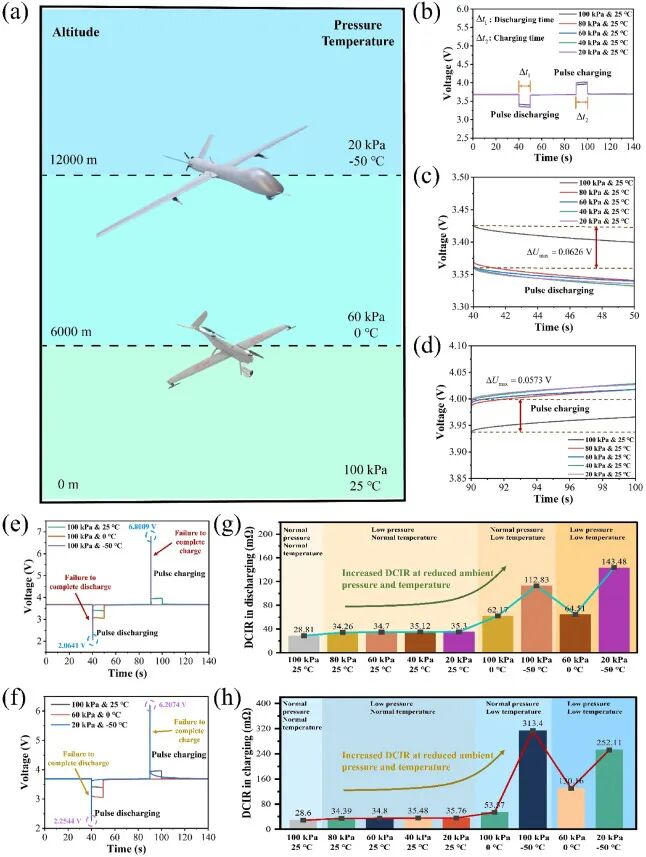
Fig. 4. High-altitude operating conditions and hybrid pulse charge/discharge testing results for LIB. (a) Different altitudes and corresponding pressure and temperature conditions; (b-f) Hybrid pulse charge/discharge curves under different pressure and temperature conditions; (g-h) DCIR in discharge and charge.
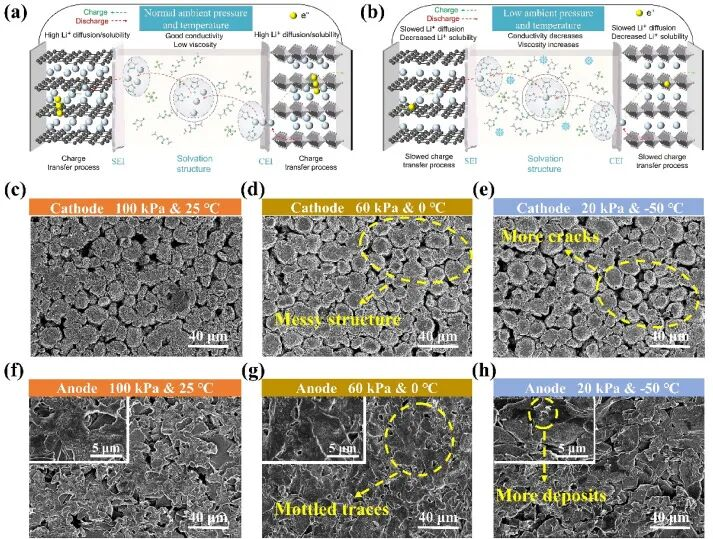
Fig. 5. Charge/discharge characteristics and SEM images of the LIBs tested under different ambient pressure and ambient temperature conditions. (a–b) Charge/discharge characteristics; (c-h) SEM images of cathode and anode.
- The lower the ambient pressure, the earlier thermal runaway is triggered. Due to the increased internal external pressure difference, gas ejection changes from horizontal (under normal pressure) to violent vertical jet, raising the risk of safety valve failure and mass loss.
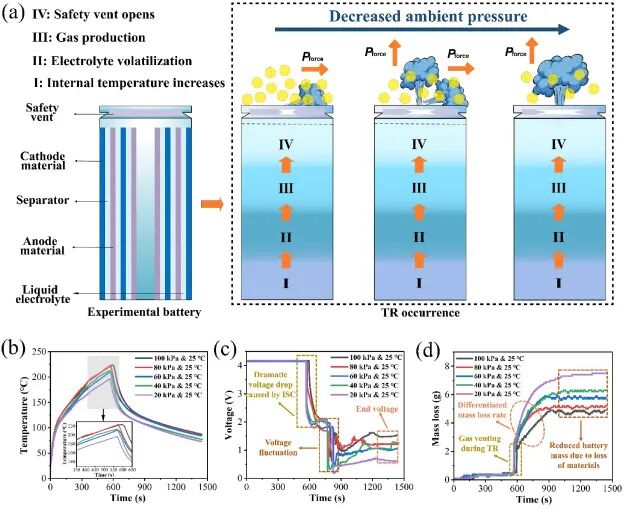
Fig. 6. TR characteristics of LIB under different ambient pressure conditions. (a) Schematic for gas venting mechanism during TR; (b) Battery temperature; (c) Voltage; (d) Mass loss.
- Low temperature environment: Although low temperature delays the onset of thermal runaway, it inhibits lithium ion migration, increasing the risk of lithium plating during charging, which may induce more hidden safety hazards.
3. Early Warning Strategies: From “Passive Protection” to “Active Intervention”
For aviation flight environments, the research team of Civil Aviation University of China (CAUC) proposed an early warning strategy based on in situ gas monitoring:
Level 1 Warning: Based on voltage fluctuation (change ≥ 1.2 V).
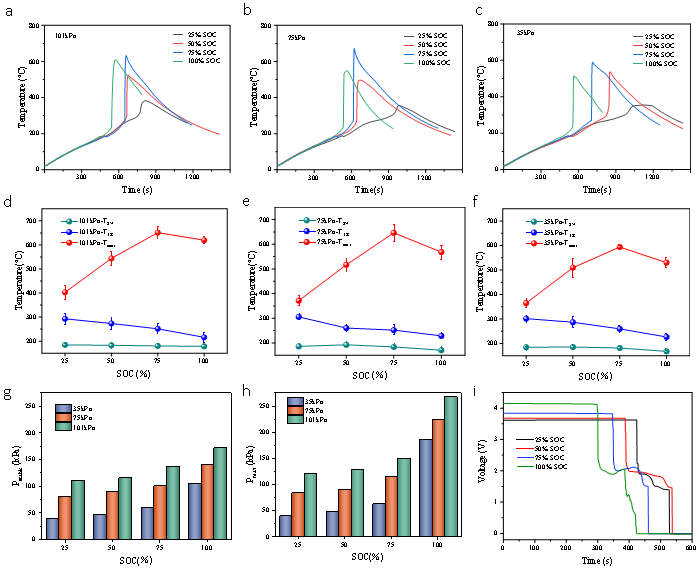
Fig. 7. Parameter variation of battery thermal runaway under different ambient pressures
- Level 2 Warning: Based on intensity changes of characteristic peaks of organic solvent vapor (e.g., 2963 cm⁻¹ and 2975 cm⁻¹). Experiments show that organic solvent vapor from electrolyte vaporization at the initial opening of the safety valve is an excellent early warning indicator.
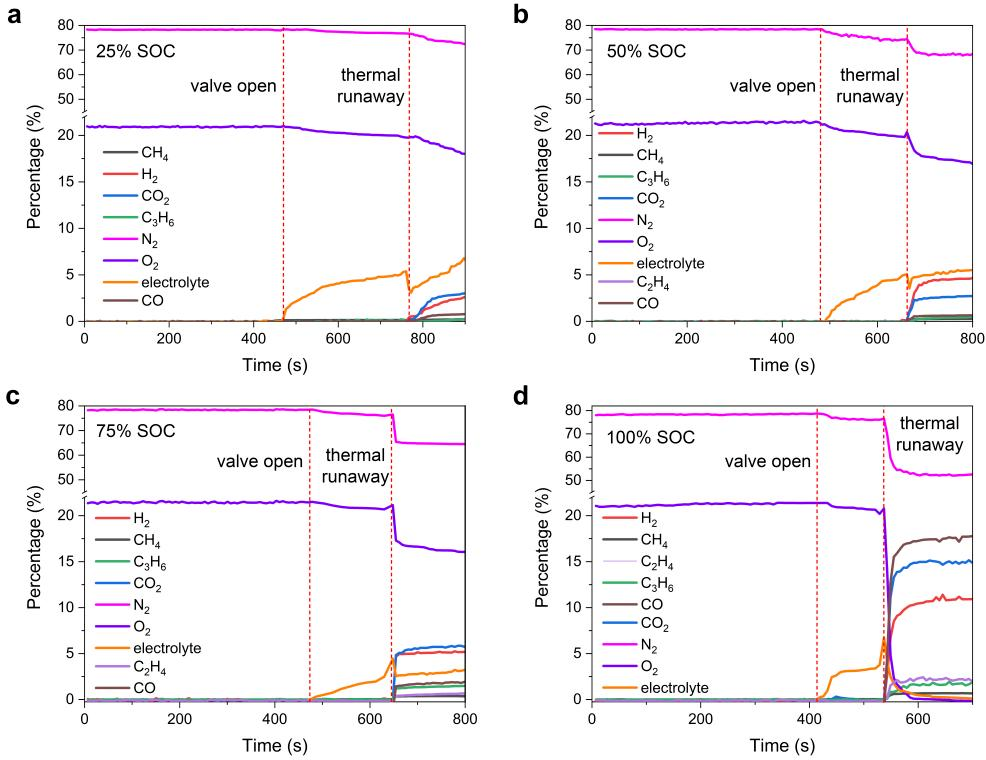
Fig. 8. In situ gas production evolution curves under different state of charge (SOC)
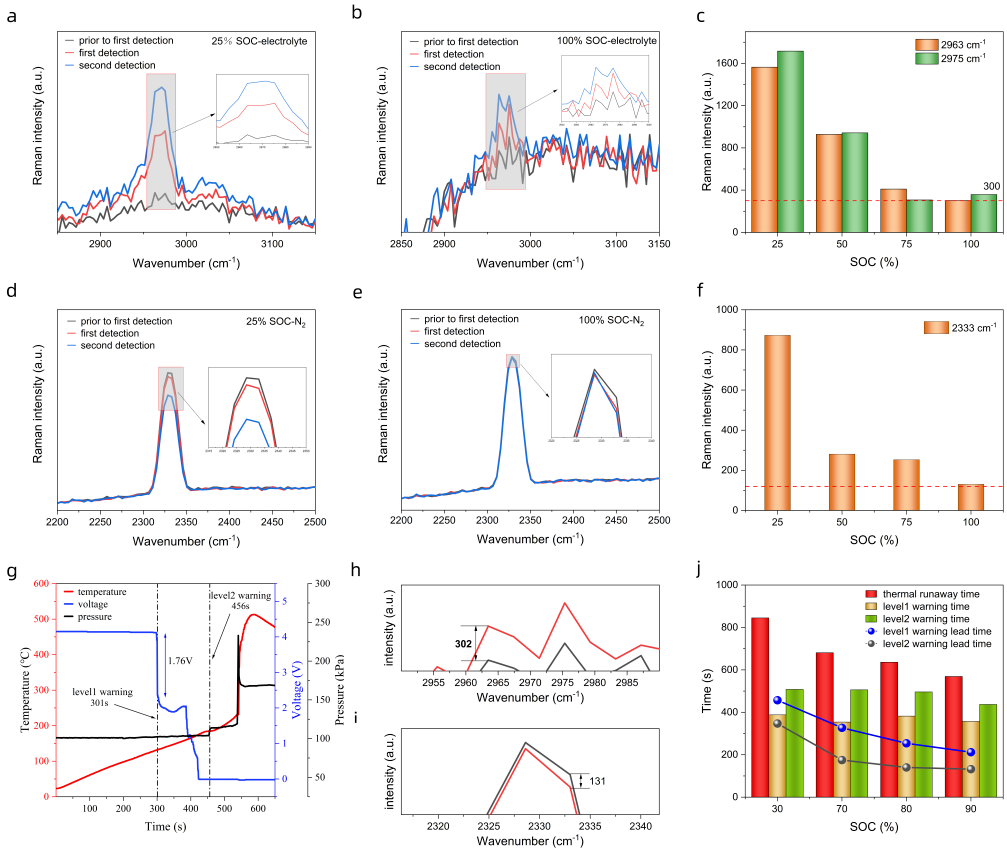
Fig. 9. Characteristic peak changes under different working conditions and key time indicators of early warning strategy
4. Protection Engineering: Active Management and Passive Isolation
In practical products, the coordination between the Battery Thermal Management System (BTMS) and structural design is critical:
- Dynamic Management Strategy: Tianjin Technology Innovation Center of China Tower proposes hierarchical regulation for different UAV flight phases. For example, during high current take off/climbing, liquid cooling runs at full power with airflow enhanced heat dissipation; during cruise, energy efficiency is optimized to keep cell temperature difference within 8°C to avoid accelerated local aging.
- Passive Isolation Materials: The team of Professors Yang Juan and Zhang Qingsong from CAUC verified the effect of thermal insulation layers via simulation and experiments. A 5–7 mm thick aerogel insulation layer can effectively block the propagation of single cell failure.
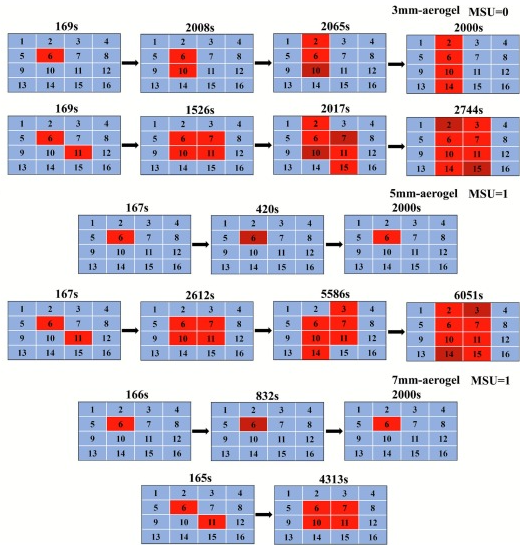
Fig. 10. Thermal runaway propagation under aerogel insulation
- Ejection Protection: Against the impact of thermal runaway ejection on the fuselage, experiments prove that mica sheets have better impact resistance and high temperature resistance than ordinary aerogel felts, significantly reducing the peak temperature on the back fire surface of structural parts and ensuring UAV structural integrity.
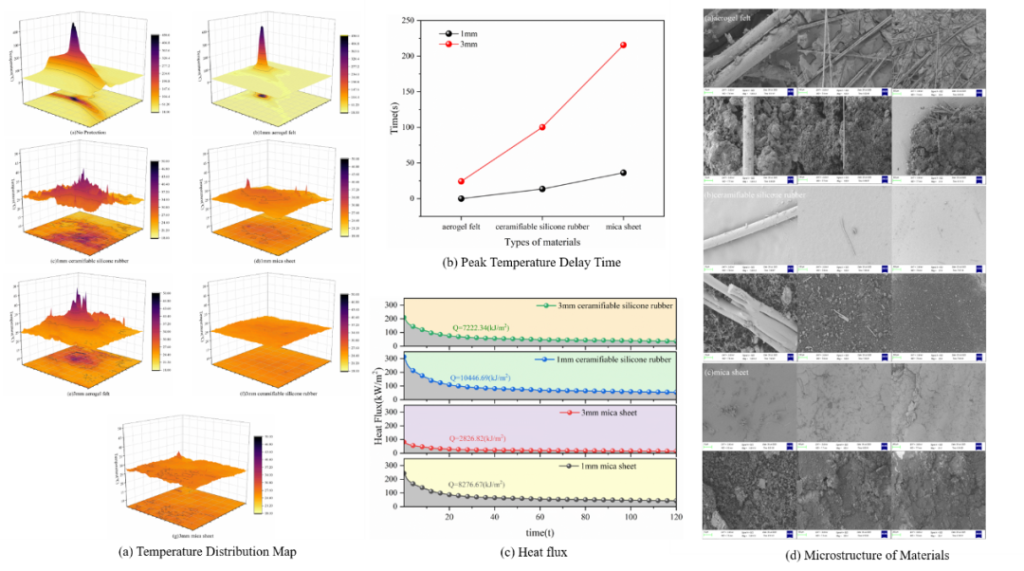
Fig. 11. Protection comparison of different insulating materials against battery thermal runaway impact
5. Conclusion
The safety defense line of UAV batteries is a closed loop built by intrinsically safe materials + early fault diagnosis + high efficiency thermal management system + passive thermal insulation structure. As a leading UAV battery supplier, we deeply apply research results from top domestic teams and are committed to providing a SAFER and MORE RELIABLE “heart” for every UAV.
References and Acknowledgments
- Team of Academician Ouyang Minggao, Tsinghua University: Research on thermal runaway sequence diagram and prevention strategies of lithium ion batteries
- Shanghai Jiao Tong University / Guangdong University of Technology: Research on battery degradation and thermal runaway characteristics at extreme altitudes
- Aviation Lithium Battery Safety and Airworthiness Team, Civil Aviation University of China (Yang Juan, Zhang Qingsong, Xie Jiang, et al.): Research on in situ gas warning, thermal propagation and passive protection
- Tianjin Technology Innovation Center, China Tower: Interpretation of thermal management control strategies for UAV batteries
No responses yet